User experience (UX) design actively shapes digital products to be both functional and enjoyable. Firstly, it employs numerous techniques to grasp user needs. Then, designers tackle these needs to craft solutions that deliver relevant and engaging experiences. This article breaks down UX design fundamentals and industry best practices, highlighting strategies for creating user-friendly interfaces.
Understanding UX Design
What is UX Design?
User experience design (UX design) actively focuses on elevating user happiness by enhancing usability, accessibility, and the overall enjoyment of interacting with products. This interdisciplinary field leverages design, research, psychology, and technology. Consequently, it aims to craft products that directly fulfill user expectations and needs, ensuring a satisfactory experience.
The Importance of UX Design:
Enhancing the user experience boosts user engagement, loyalty, and satisfaction. This sets a product apart from competitors, promoting business success. Conversely, poor UX design frustrates users, reduces usage, and generates negative company perceptions.
Core Principles of UX Design
User-Centered Design:
The concept of user-centered design (UCD) serves as the foundation for UX design. Firstly, this method emphasizes understanding users’ goals, needs, and behaviors. Then, it focuses on crafting products that address these requirements. To confirm that designs align with user expectations, UCD integrates techniques such as user research, the creation of personas, and conducting usability tests.
Simplicity and Clarity:
To design a well-crafted user experience, focus on simplicity. By presenting simple, clear designs, you enable users to achieve their goals effortlessly. Emphasize simplification, clarity in communication, and intuitive navigation as key factors for an impeccable user experience.
Consistency:
Providing users with a unified and comfortable experience, consistent use of interaction patterns, color schemes, and typography across the design lowers cognitive load and accelerates product learning.
Accessibility:
By actively incorporating accessibility into product design, we ensure that every user, disabled or not, can fully engage with it. We specifically address limitations in vision, hearing, movement, and cognition. Moreover, this approach not only broadens our customer base but also greatly enhances the product’s usability.
Feedback and responsiveness:
Providing users with quick and relevant feedback is essential. Feedback like loading spinners, confirmation messages, or error notices allows users to navigate the product confidently. This approach ensures they understand the outcomes of their actions.
Flexibility and Efficiency:
UX design must actively consider the diverse preferences and skills of users. Consequently, improving the user experience involves enabling the completion of activities through various methods. Moreover, providing shortcuts allows experienced users to benefit significantly, which in turn makes workflows more efficient.
Best Practices in UX Design
Conduct user research:
To create effective UX design, you must start by thoroughly understanding your users. Conducting user research with surveys, interviews, and observations helps you discover user desires, challenges, and actions. By utilizing this information, designers can ensure their creations resonate well with their target market. Furthermore, seamlessly integrating these insights into the design process results in work that effectively meets user needs.
Create Personas and Scenarios:
Personas, fictional characters representing various user types, help designers by offering a clearer perspective on user needs. These personas allow designers to actively consider and meet those needs throughout each stage of the design process. Additionally, designers craft scenarios that outline the personas’ interactions with the product in particular contexts. These scenarios serve as a road-map for designing intuitive user flows and interactions, ensuring a seamless user experience.
Design for mobile first:
Focusing on designing with a mobile-first approach guarantees the optimization of the product for smaller screens and touch-based interactions. Given the rising popularity of mobile devices, this strategy is essential. Consequently, it leads to a user-friendly design that is more focused, as it prioritizes the most crucial content and features right from the start.
Use wireframes and prototypes:
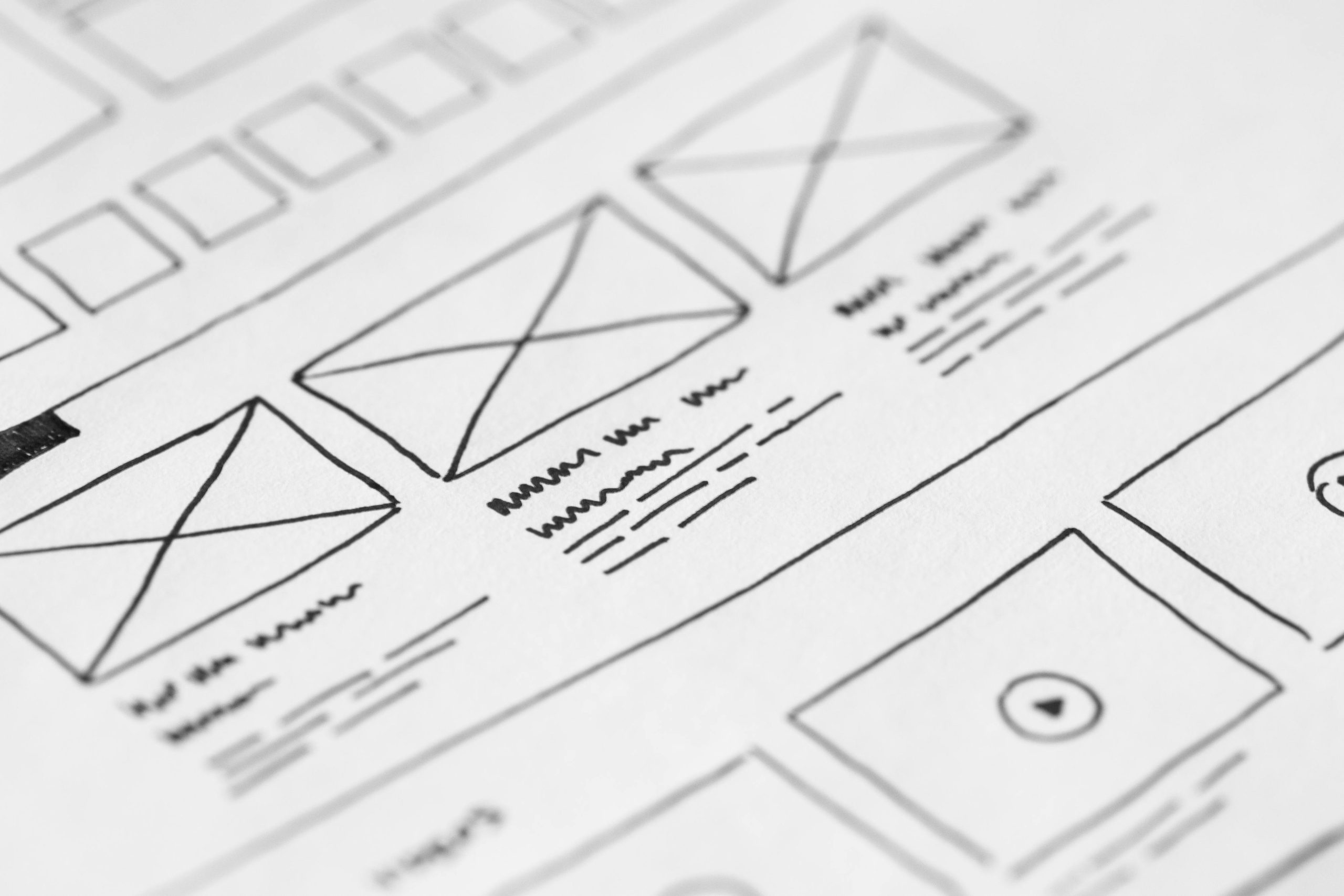
Prototypes and wireframes play crucial roles. Prototypes bring design concepts to life interactively. Meanwhile, wireframes outline a webpage’s basic structure. First, these tools allow designers to experiment. Then, they can gather early feedback before finalizing designs.
Prioritize Content:
In UX design, prioritizing clear, concise, and relevant content is crucial. This strategy not only enhances usability but also assists users in achieving their objectives more efficiently. Moreover, structuring content to support quick reading and easy comprehension further streamlines the user experience.
Implement visual hierarchy:
Visual hierarchy actively directs users to the most crucial elements on a page. By employing contrast, size, and spacing effectively, designers establish a clear visual hierarchy. Consequently, this enables users to navigate the product efficiently and locate information swiftly.
Conclusion
UX design, blending entertainment with functionality, thrives on best practices like user research, prototyping, and usability testing. Additionally, adhering to principles such as user-centered design, simplicity, consistency, and accessibility is crucial. Consequently, as technology evolves, the influence of UX design on shaping appealing and relevant digital products will undoubtedly expand.
Leave a Reply