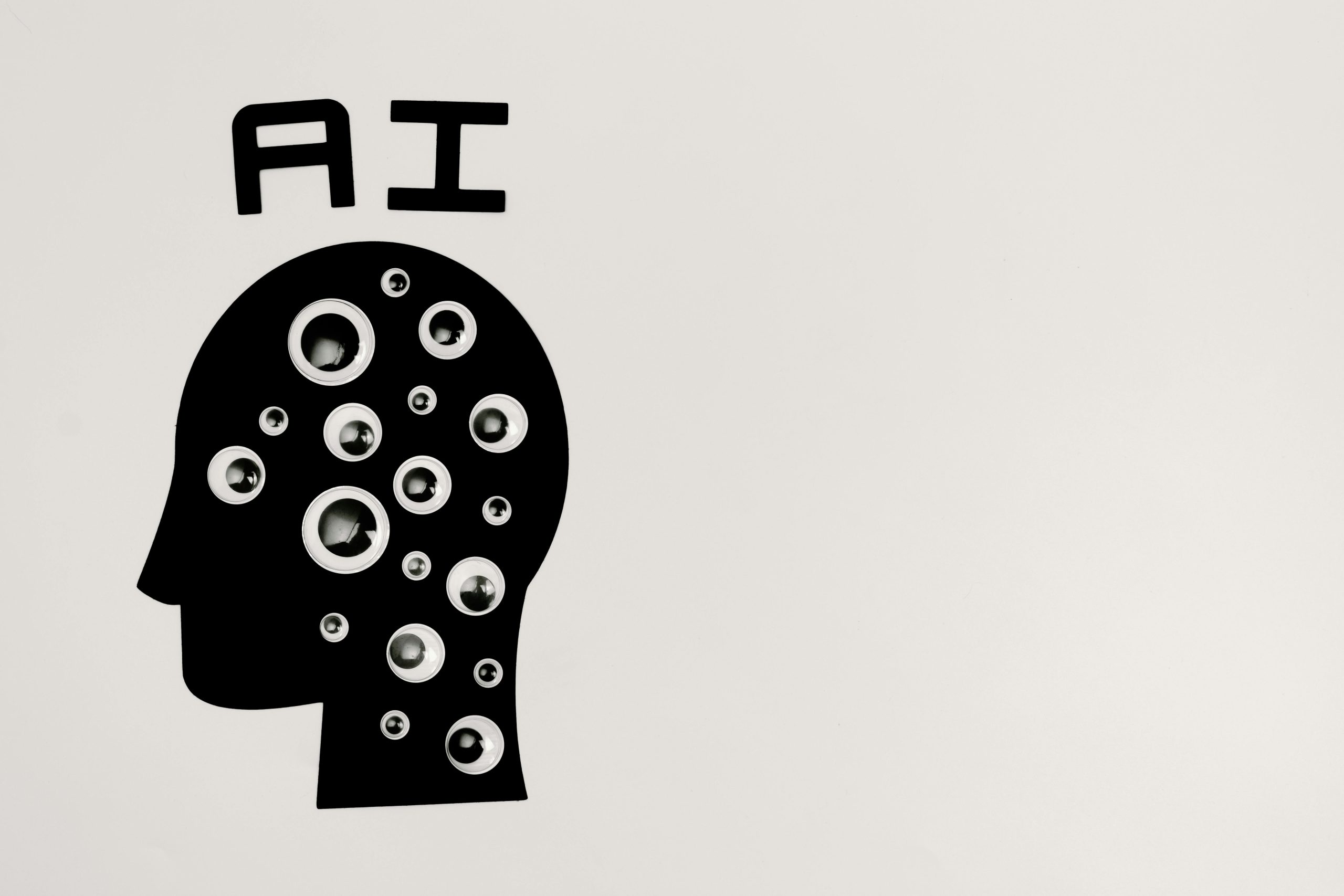
Generative AI has advanced significantly in recent years and is now a widely used technique in content production. AI models like GPT-4 and others have demonstrated their talents, from creating customized marketing emails to writing blog articles. However, when this technology develops further, it poses a crucial query: Does generative AI help or hurt authors?
The Friend: Enhancing Creativity and Productivity
With its many advantages that expedite the creative process, generative AI can be a potent ally for authors.
Idea Generation: AI tools can help writers overcome the terrible blank page syndrome. By producing topic ideas, outlines, or even preliminary drafts, these technologies save time and mental effort and offer a place to start.
AI boosts efficiency by assisting writers with time-consuming or repetitive tasks. It can summarize long documents, conduct preliminary research, and create content optimized for search engines. This enables authors to devote more of their attention to more valuable creative endeavors.
Platforms powered by AI enable marketers to create content that directly caters to specific target consumers. For instance, they can efficiently produce multiple iterations of an email campaign. As a result, each version is tailored to resonate with a distinct audience. This customization and personalization enhance engagement, ultimately driving better results for the audience. This customization and personalization enhance engagement, ultimately driving better results.
Learning and Skill Development: By pointing out grammar mistakes, making edit suggestions, or providing different wording, AI programs can serve as virtual mentors. These recommendations can help writers hone their craft and pick up new methods.
The Foe: Challenges and Ethical Concerns
Generative AI offers several advantages, but it also poses significant challenges for writers.
First, job displacement is a major concern. As AI technology improves, its ability to create content increases. Consequently, many writers worry that AI could replace them in various industries. Automated writing systems now produce news summaries, financial reports, and other formulaic content. This trend threatens traditional writing roles and job security.
Second, AI-generated content often lacks authenticity. It typically misses the depth, emotion, and nuance that human writers provide. As a result, this deficiency can be especially problematic for storytelling and opinion pieces. Authenticity remains crucial in these genres. Thus, writers must navigate these challenges to maintain their unique voice and impact.
Ethical Dilemmas: AI generates content based on existing data. This process raises questions about originality and copyright infringement. Furthermore, AI can produce misinformation or biased content. As a result, it can undermine trust in written materials.
Overreliance on Technology: Writers may become overly dependent on AI tools, which can diminish their critical thinking and creative skills. While AI serves as a helpful resource, it cannot replace the essential human touch in writing. Therefore, balancing AI use with personal input is crucial for impactful writing.
Striking the Balance
Writers can effectively harness generative AI by following these strategies:
- Use AI as a Tool, Not a Replacement: View AI as a collaborative partner. While AI handles mundane tasks, human writers provide creative direction and final touches.
- Focus on unique value: emphasize areas where AI struggles. Highlight emotional storytelling, cultural nuances, and ethical considerations to showcase human creativity.
- Stay Updated: Continuously educate yourself about evolving AI technology. Understanding its capabilities and limitations helps you leverage the best tools without compromising your craft.
- Advocate for Ethical Use: Establish guidelines for ethical AI use in content creation. This ensures transparency and accountability within the writing community.
Conclusion
Generative AI serves as a powerful tool for writers. By embracing its benefits, writers can enhance their creativity. Moreover, being aware of its challenges allows for a better balance in their work. The future of writing depends on coexisting with AI. Therefore, instead of resisting change, writers should learn to leverage AI’s strengths. Ultimately, combining technology with the human touch will lead to unforgettable writing experiences. Embracing this partnership will shape the future of storytelling. Let us move forward with optimism and creativity.
Leave a Reply